Unfinished Bathroom Remodel with Renovo? HIM Offers Reliable Remodeling Solutions
January 28, 2026 · 3 min read
Bathroom Remodeling in South Florida
Like the majority of seniors, you’d prefer to age in place, rather than relocate to a retirement or assisted living community. The CDC has reported that roughly 80% of slip and fall accidents amongst seniors occur in the bathroom, so this seems like the best place to start as you make your home safer and more accessible. You know some homeowners who swear by their walk in tubs, but you also know others who wish they’d gone with an alternative like a walk in shower. Why is that the case?
At HIM, we’ve installed countless walk in tubs and even more walk in showers. We understand the circumstances that can make one more appealing than the other, as well as the complaints people have about walk in tubs in general. Read on as we discuss those complaints and what you can do to prevent or address them.
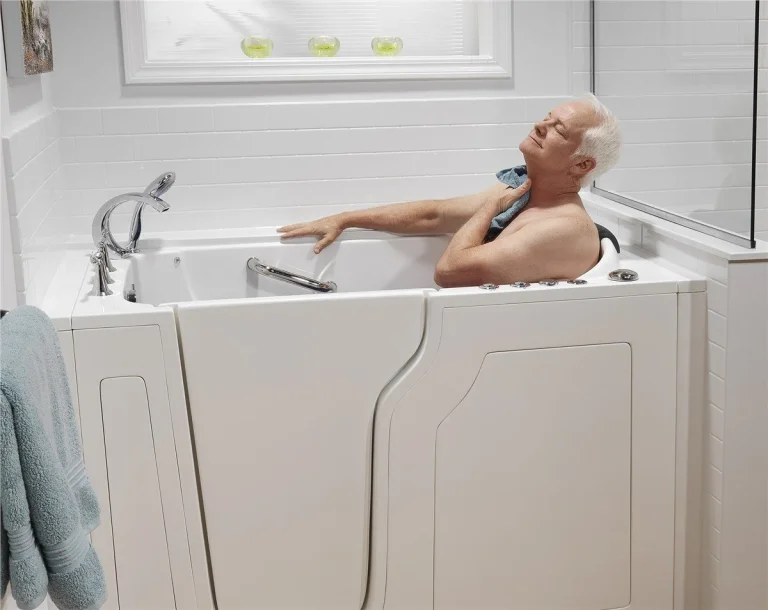
One of the biggest differences you’ll need to adjust to after installing a walk in tub is the unique fill and drain process. Because you enter and exit through a sealed door, you’ll need to remain seated in the tub while it fills and drains, as opposed to stepping in and out as needed or desired. Admittedly, this can be a boring (and chilly) process, and there’s no way to work around it completely.
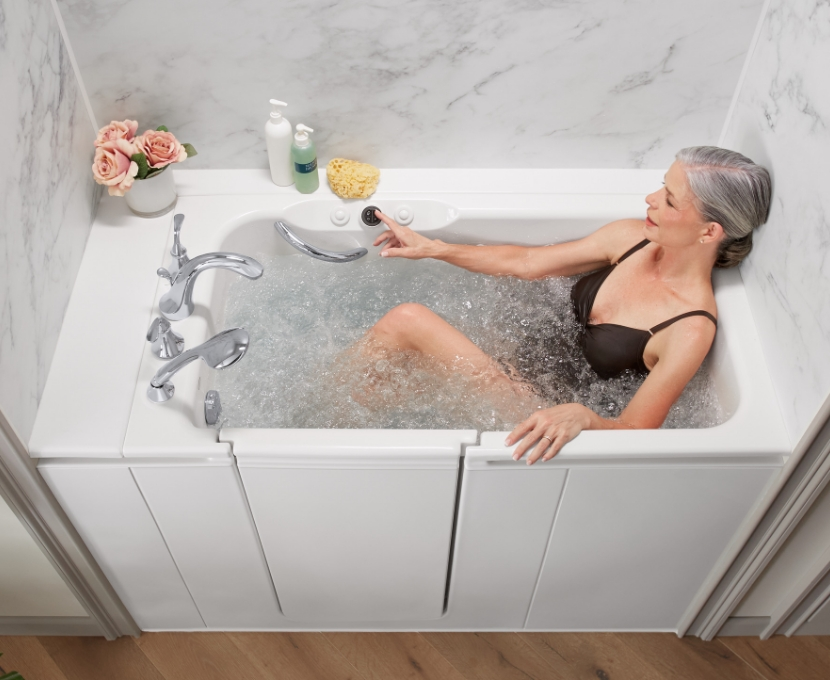
Fortunately, sheer will and patience aren’t the only things that can make this experience more tolerable. Talk to your design team about high-flow faucets and fast-drain technology, which can cut the fill and drain times to around four–six minutes each. If you struggle with body temperature regulation (or just really hate being cold), you can also inquire about a heated seat to stay a little more comfortable while you wait for the tub to drain.
In the past, one of the biggest complaints about walk in tubs was the lack of clear temperature control. Because you’re required to sit in the tub while it fills, it was easy to settle on a water temperature that was too hot, but that your body adjusted to as it became slowly immersed. Even if you love a long soak in hot water, exceeding a safe temperature limit can result in health concerns ranging from mild dizziness to scalding.
If you won’t have anyone to help you monitor your bath’s water temperature at home, ask your design team about smart thermostats and anti-scald devices. The former makes it easy to set and maintain a temperature while you fill your tub. The latter limits how hot your tub’s water can be. Many modern walk in tub models come equipped with this technology already, but it isn’t currently universal and is considered a premium upgrade by some brands.
A walk in tub is more complex than a traditional tub. Door seals, hydrotherapy tub jets, and heating elements aren’t as simple to clean as the smooth wall of a standard tub. Without a regular cleaning routine, you may start to notice unwanted things like soap scum build-up or mold growth.
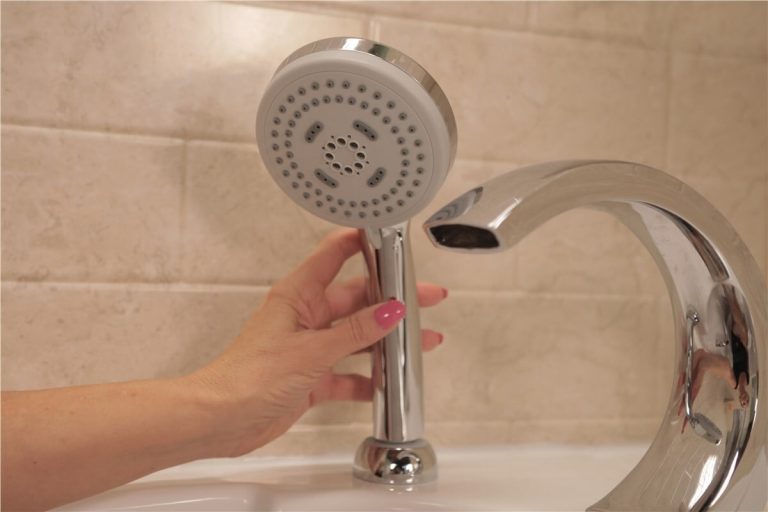
A quick rinse with warm water after each use (made much easier by a handheld shower wand) can significantly reduce the amount of elbow grease you’ll need to use during more thorough cleans. This is because rinsing away any oils or soap residue can help to prevent soap scum and mold growth.
To deep clean a walk in tub, fill the tub so that the highest jet is submerged. Add a mold-killing cleaning agent like non-splash bleach and dish soap to the water and run the hydrotherapy system for 15–20 minutes. Drain the tub, refill it, run the hydrotherapy system for another 10–15 minutes, and drain. After this process is complete, wipe down the seal of the door with a clean cloth.
Perhaps the biggest walk in tub complaint of all time has to do with the door’s waterproof seal. More specifically, the issue is that in some cases, the waterproof seal doesn’t seem to be so waterproof after all. Sometimes, this issue has presented itself right away. In other cases, it seems that the seal starts to warp or degrade over time. Either way, it can render your tub practically unusable, causing water damage and increasing the slip and fall risk that it was meant to eliminate.
Door leakage can typically be prevented by investing in experienced workmanship and quality products. This is also one of the reasons why you should always make sure your new walk in tub comes with both labor and product warranties. That way, you can get repairs at no cost if your new tub has a defect that causes leaking.
Walk in tubs are touted as the most accessible tubs for seniors because they eliminate the need to step over a standard tub ledge, which can be as high as 18”. Depending on your mobility needs, they may not actually be the most accessible bathing option overall. For example, the narrow entryway may not accommodate a standard wheelchair. Additionally, transferring from a wheelchair to the tub’s seat may not be easy without assistance, even when built-in grab bars
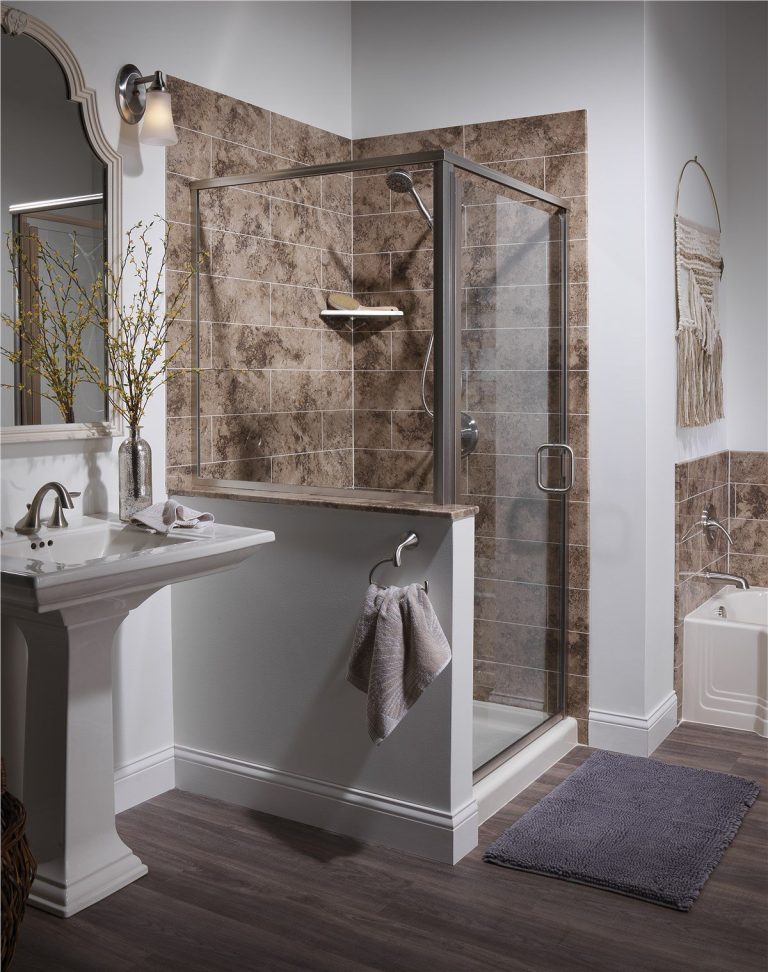
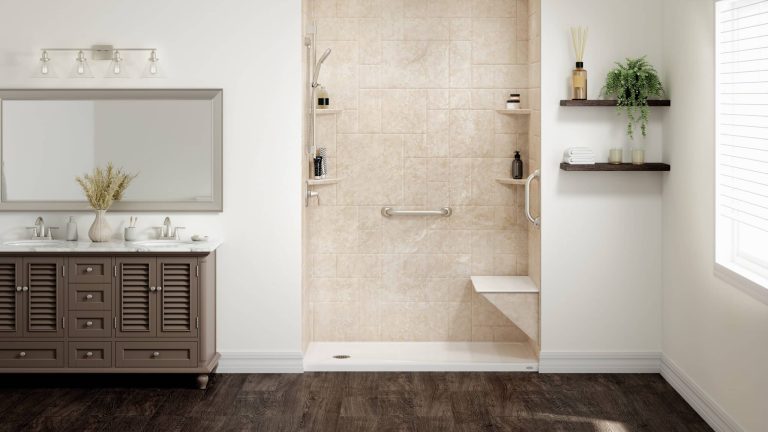
Depending on your specific needs and the mobility aids you use, you may find that a curbless walk in shower is the better choice. With the right dimensions and configurations, a curbless shower can make bathing with a wheelchair safe, simple, and comfortable.
Due to their unique features and installation requirements, walk in tubs do tend to cost more than your standard tub. Generally, you’re looking at a bill of $20,000 to upwards of $35,000. By comparison, a standard bathtub replacement or tub to shower conversion can cost as little as $11,000.
Chances are high that you’ve heard at least one or two walk in tub complaints before. Fortunately, quality products, experienced labor, and a lifetime warranty can keep a lot of these complaints at bay.
At HIM, we know that cost is almost always the number one concern any homeowner has when remodeling a feature of their home. Take a look at our guide to walk in tub costs to understand why these tubs are often more expensive than a standard tub or walk in shower.
Walk-in tubs are taller than standard step-in tubs, typically reaching up to about 50 inches in height. However, when it comes to width and depth—the dimensions that affect your bathroom’s footprint—they’re often very similar to a standard bathtub. Most walk-in tubs measure between 52–60 inches in length and 30–32 inches in width.
Walk-in tubs are considered safer for seniors because they eliminate the need to lift your legs over the high ledge of a traditional bathtub. Instead, users open a side-entry door, step into the tub using the low threshold, sit on the built-in seat, and close the door. The entry threshold is usually just 1–3 inches high, compared to the 15–18 inch ledge of a standard soaking tub, significantly reducing the risk of slips and falls.
Yes. Replacing a tub-and-shower combo with a walk-in tub does not mean you have to give up your showerhead. Many seniors choose to pair their walk-in tub with either a standard showerhead or a handheld shower wand. Both options make it easy to wash your hair and upper body while maintaining flexibility in how you bathe.