Unfinished Bathroom Remodel with Renovo? HIM Offers Reliable Remodeling Solutions
January 28, 2026 · 3 min read
Bathroom Remodeling in South Florida
The time has come—you’re ready for a shower remodel. But before any demolition begins, there’s one critical decision you must make:
Durability, longevity, appearance, and maintenance all play a role in how satisfied you’ll be with your new shower. Choosing the wrong material can lead to unnecessary upkeep, premature wear, and long-term frustration. The good news? Walk-in shower materials are what we know best.
Hi, I’m Shane, a home improvement content specialist. After reviewing thousands of shower remodels, today I’ll break down the most common shower wall materials—acrylic, tile, and solid surface—to help you decide which option best fits your needs, budget, and lifestyle.
When planning a shower remodel, homeowners typically choose from three primary material types.
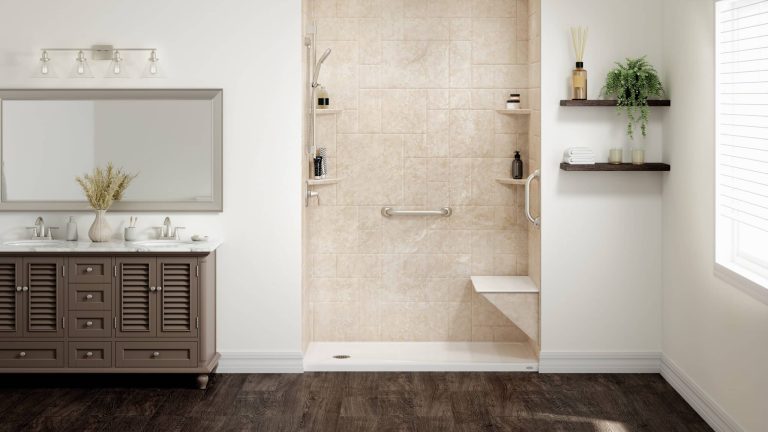
Acrylic panels are one of the most popular choices for modern shower remodels. They’re known for their balance of affordability, durability, and low maintenance, making them a top contender for homeowners who want long-term performance without constant upkeep.
Tile has been used in bathrooms for decades and offers nearly unlimited customization. Available in materials like ceramic, porcelain, and natural stone, tile allows homeowners to match almost any design style or budget.
Solid surface materials—such as marble or granite—are commonly found in high-end or luxury bathrooms. While visually striking and durable, they typically come with a significantly higher price tag.
If budget is a primary concern, acrylic is generally the most cost-effective option. However, acrylic alone doesn’t automatically mean a cheaper remodel. Final pricing depends on:
The style and finish selected
Accessories and add-ons
Overall system quality
Tile and solid surface installations tend to cost more due to increased labor time and higher material costs—especially with natural stone products.
Even a simple shower remodel can feel disruptive, so timeline matters.
For homeowners seeking a faster installation, acrylic and solid surface systems are typically comparable. Both use large, solid wall panels that reduce installation time.
Tile installation is more labor-intensive. Each tile must be installed individually, aligned, grouted, and sealed—often extending the project by several days.
Keep in mind: installation time is different from the overall project timeline, which also includes planning, material ordering, and preparation. Plumbing updates or layout changes can add time regardless of material choice.
Each shower material offers design versatility—just at different levels.
Modern acrylic systems come in a wide variety of colors, textures, and patterns. Many designs mimic the appearance of tile or natural stone without the associated maintenance.
Tile offers the most customization options, including countless colors, textures, shapes, and materials. However, exposed grout requires regular cleaning and sealing to prevent mold and staining.
Solid surface materials feature natural tones and organic patterns that create a high-end, seamless appearance—ideal for luxury bathrooms.
With reasonable care, most shower materials last 15–20 years, with solid surface materials sometimes reaching 30 years. That said, longevity heavily depends on maintenance.
For homeowners prioritizing low maintenance:
Acrylic – No grout, easy cleaning, mold-resistant
Solid Surface – Durable but requires regular care
Tile – Highest maintenance due to grout lines
When planning for the future, consider not only how your shower looks—but how much time you’re willing to spend maintaining it.
Many homeowners consider resale value when choosing materials. While it’s difficult to directly tie shower materials to increased home value, industry data offers useful insight.
According to Bankrate’s 2024 report:
Mid-range bathroom remodels can deliver up to 73% ROI
Luxury bathroom remodels often return closer to 45% ROI
This suggests that while premium materials look impressive, they don’t always provide the best financial return. For many homeowners, acrylic offers a strong balance of cost, durability, and buyer appeal.
Now that you understand the differences between acrylic, tile, and solid surface materials, the best choice depends on:
Your budget
Your maintenance preferences
Your long-term plans for the home
Acrylic is often ideal for homeowners seeking durability, ease of care, and strong value. Tile appeals to those prioritizing customization, while solid surface materials suit luxury-focused designs.
If you’re ready to move forward, learning more about professional shower installation processes and material options can help ensure your remodel is built to last.